
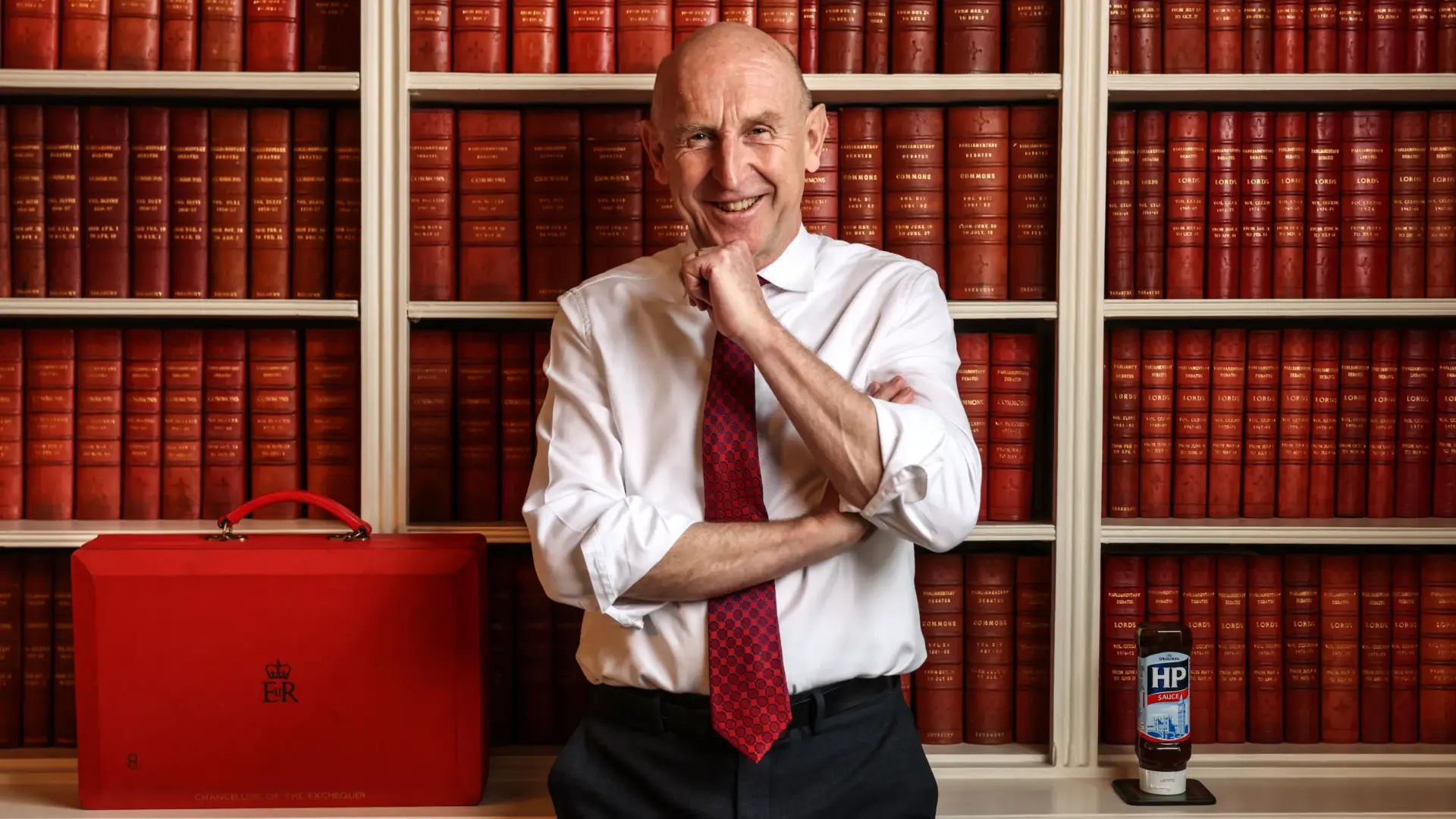
It is Budget day. John Healey stands up in the Commons at around half past twelve to deliver his first Budget as Chancellor, and by teatime most of us will be working out what it means for our energy bills, our wages and the weekly shop. We wanted to write about something smaller, and a bit closer to home for us: the 0% VAT rate on books, and why it matters more than most people realise.
We are writing this on Wednesday morning, before the speech. So, to be clear from the start, this is not a round-up of announcements. If anything in today's Budget changes the picture for books, we will update this post. What follows is how things stand, and why we think it is worth talking about today.
Books have been VAT-free for a very long time
Here is the bit that surprises people. Printed books in the UK are zero-rated for VAT, and they have been since VAT arrived in 1973. Newspapers, magazines and children's picture books sit in the same group. When you buy a paperback, there is no 20% tax hiding in the price the way there is on a phone charger or a pair of trainers.
For decades that rule only covered paper. E-books and digital newspapers were charged at the full 20%, which never quite made sense. Why should the same novel be taxed differently depending on whether you held it or swiped it? That changed on 1 May 2020, when digital publications were brought into the zero rate too.
The principle behind all this is a simple one, and a good one: reading should not be taxed. It has been challenged now and then over the years, usually when the Treasury is hunting for money, and the publishing world has always pushed back hard. With the government having said it will not raise VAT rates, there is no sign of books being targeted this time. But it is worth knowing what is at stake, because it is easy to take for granted.
What it means for readers
The obvious answer is that books cost less than they otherwise would. Put 20% on a £9.99 paperback and you are paying closer to £12. Across a year of reading, that adds up quickly, especially if you get through a book a week, or you are buying for children who outgrow their shelf every few months.
The less obvious answer is about who gets to read. When budgets are tight, and for a lot of households they are very tight right now, books are one of the first things people cut. Keeping them free of VAT helps keep them in the basket. It is a quiet bit of policy that does a lot of good for literacy, for libraries and schools buying stock, and for anyone who simply wants something good to read on the bus.
How shopping habits are changing
Even with no VAT, plenty of readers are looking harder at what they spend. We see it every day. People search for a specific title, compare the price of a new copy with a used one, and often go for the used one if it is in good nick. A lot of the searches on ReReadz are for books people already know they want: a series they are halfway through, an author a friend recommended, something they saw on BookTok.
There is also a shift in how people think about owning books. More readers are happy to buy a book, read it, and pass it on, rather than keep every copy forever. Shelves fill up. Moving house is a nightmare with forty boxes of paperbacks. Selling on the ones you have finished is a sensible way to make room and get a little money back towards the next read.
Where pre-loved books fit in
This is where the conversation gets interesting for second-hand books. If you sell your own old books as a private person, clearing out your shelves, you are not running a business and you are not charging VAT. And because books are zero-rated anyway, even sellers who are VAT-registered do not add 20% to the price of a book.
So the price you see on a pre-loved book is, for the most part, simply what the seller wants for it. No tax on top. That is part of why second-hand books can be such good value, and why they work so well for people trying to make their money stretch.
It is good for the planet too. A book that already exists does not need trees, ink, printing or a lorry from a warehouse. Keeping books in circulation for longer is one of the easiest bits of sustainable shopping there is, and it does not ask anyone to give anything up. You still get the book.
One thing to bear in mind: postage is a separate matter. Delivery services can carry VAT, depending on how they are provided, so the zero rate on the book itself does not always mean zero tax on getting it to your door. It is a small point, but worth knowing if you are comparing prices.
Thinking of turning your shelves into a business?
We hear from a lot of people who start by clearing a few boxes and then realise they quite enjoy it. Car boot finds, charity shop bargains, house clearances, a good eye for first editions. It can grow into a proper side hustle.
If that sounds like you, a few practical things are worth knowing. Selling your own unwanted belongings is very different from buying to resell. Once you are buying stock with the aim of making a profit, HMRC may see it as trading, and you may need to register as self-employed and report your income. There is a £1,000 trading allowance, which means small amounts of trading income may not need declaring, but it is worth checking the current rules on GOV.UK for your situation.
VAT registration only becomes compulsory once your taxable turnover goes over £90,000 in a rolling 12-month period. Most people selling books will never come close. And even if you did, the zero rate on books means you would not be adding VAT to your book prices. You might even be able to reclaim VAT on some business costs, though that is one for an accountant rather than a blog post.
Our honest advice: keep simple records from day one. What you paid, what you sold it for, what postage cost. It takes five minutes a week and saves a lot of stress in January.
What it means for online businesses like ReReadz
For a marketplace like ours, the zero rate on books is part of the foundation. It keeps book prices honest and simple, for buyers and for sellers. The fees and services around a sale are a different story, and like most online businesses, we have to think about things like the VAT registration threshold, digital services and the cost of running everything behind the scenes.
Budgets matter to small online businesses in other ways too. Changes to business rates, employer costs, energy prices and postage all feed through eventually, either to sellers or to the people buying from them. We will be listening for anything that affects small sellers and independent bookshops in particular, because they are the people who keep the second-hand book world going.
What we would like to see today
We are not expecting books to be the headline this afternoon, and that is fine. But if the Chancellor is reading (he is not, but we can dream), here is our short wish list.
First, a clear promise that the zero rate on books, e-books and audiobooks stays exactly where it is. Audiobooks are a good example of where the rules still feel a bit behind the times, and plenty of people who struggle with print rely on them.
Second, some proper support for school and public libraries. A library card is still the cheapest way to become a reader, and too many branches have shortened their hours or closed altogether.
Third, something for small sellers. Simpler tax guidance for people with a side hustle, help with business rates for independent bookshops, and keeping postage affordable would all make a real difference to the people who keep books moving around the country.
How the Chancellor could help readers
The biggest help would not even be about books. Anything that eases the cost of living, whether that is energy bills, food prices or wages, leaves people with a little more to spend on the things that make life nicer. Books tend to come back into the basket when the pressure comes off.
Investment in reading for children would be a close second. Funding for school libraries, literacy schemes and early years reading programmes pays off for decades. A child who finds the right book at seven is often still reading at seventy.
And there is the green angle. Encouraging reuse and repair, and supporting the circular economy, fits second-hand books perfectly. A book read by five people instead of one is about as simple a sustainability win as you can get.
How the Chancellor could hinder readers
The obvious risk would be any move to put VAT on books. Adding 20% to every paperback would hit the households who can least afford it, and it would hit children's books and textbooks just as hard. It has been floated before in tight times, and we hope it stays firmly off the table.
Less obvious, but just as real, are rising costs for the businesses around books. Higher postage, higher business rates or heavier costs for small employers all end up in the price of a book somewhere along the line, or push an independent shop to close its doors.
Then there is the quiet squeeze. Further cuts to council budgets usually mean fewer library hours, and when money is tight at home, reading is often one of the first treats to go. Neither shows up as a line in the Budget, but both shape how many people pick up a book next year.
Why we care
We started ReReadz because we think books should be easy to pass on and affordable to buy. A great story should not end up gathering dust in a loft, and nobody should have to skip a book because money is tight. The 0% VAT rate on books is one of the few bits of tax policy that genuinely lines up with that idea, and we would like it to stay that way.
So, whatever the Chancellor says this afternoon, here is our small suggestion. Have a look at your shelves. Find the books you have finished and loved, the ones you know someone else would enjoy, and give them another life. And if there is a book on your list, check whether a reader somewhere already has a copy waiting.
We will be back with an update if anything in today's Budget changes things for books. In the meantime, happy reading.
The ReReadz Team
This article is general information, not tax advice. For your own circumstances, check GOV.UK or speak to an accountant.